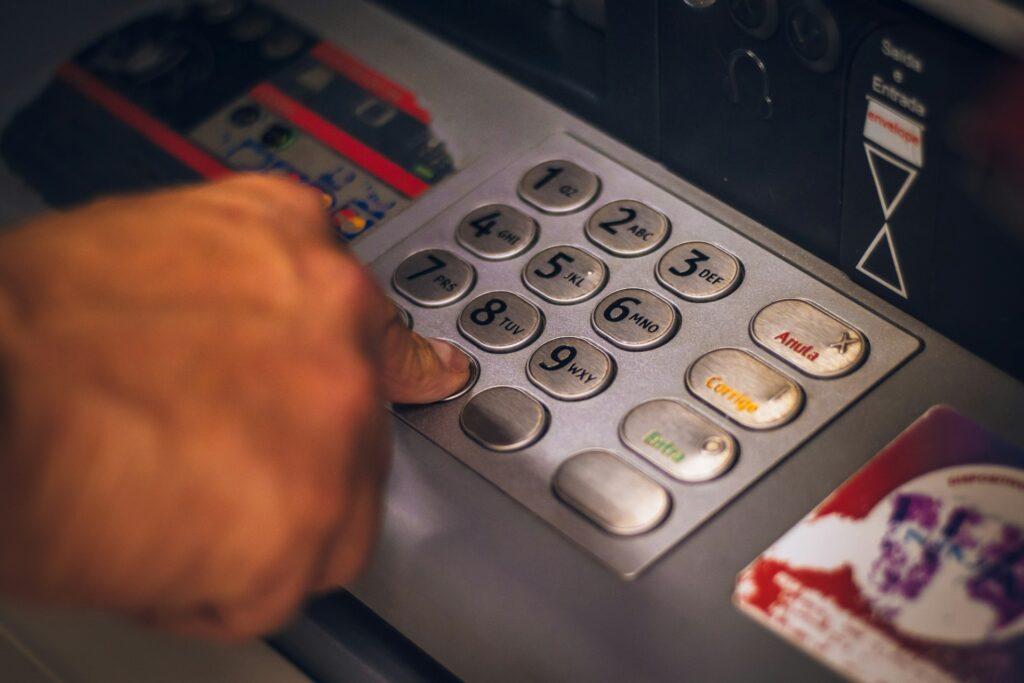
Bank accounts give you a reliable way to manage your finances. Opening one with a trusted financial institution enables you to store your money safely, use it with ease, and potentially grow your savings.
However, with banks offering different types of accounts, choosing one that suits your needs can be quite the challenge. To make the decision easier, consider the key features that can significantly impact your banking experience. Here are some factors to keep in mind:
1) Account Opening Process
The ease of opening a bank account can significantly influence your overall banking experience. This process sets the tone for how convenient and accessible your banking relationship will be, affecting everything from day-to-day transactions to long-term financial planning.
Some banks use the traditional method, requiring extensive documentation and multiple in-person visits before an account can be activated. While this approach may provide thorough verification, it can be time-consuming and discouraging for customers who want to access their funds quickly. However, most financial institutions offer streamlined procedures that allow you to complete most steps online. They also typically have flexible eligibility requirements, making the process smoother.
Take Maya, for instance. To open a Philippine bank account with this digital bank, you simply have to upgrade your Maya account. Once you do, you can start a Maya Savings account, as well as access the app’s other banking features. This eliminates the need for lengthy paperwork and multiple branch visits, allowing you to start managing your money immediately.
2) Interest Rates
Interest rates are a critical factor that can either boost or limit the growth of your savings. Accounts with higher interest rates allow your money to grow faster over time, while those with lower rates may barely keep up with inflation. You’ll perhaps want to explore a Maya Savings account, which will allow you to earn up to 15% per annum on your savings.
Apart from the percentage itself, it’s essential to compare not just the headline rate, but also the terms and conditions that may affect earnings, such as tiered rates based on balance or minimum deposit requirements. This matters because what looks like an attractive rate at first glance may only apply if you maintain a large balance or meet other conditions, making it less beneficial in practice.
Furthermore, some accounts offer promotional rates that change after a certain period. As such, leveraging these short-term opportunities and understanding their long-term impact is key to maximizing the real value of your savings.
3) Fees and Charges
The fees associated with a bank account can have a significant impact on how much of your money you actually get to keep. Monthly maintenance charges, withdrawal fees, interbank transfer costs, and penalties for dipping below the minimum balance are just a few examples of what you may encounter. And while these amounts may seem small at first, they can quickly add up, especially if you use your account frequently.
This is why it’s crucial to understand the full fee structure before deciding where to open an account. If you take the time to review the fine print, you’ll know exactly what charges to expect and how to avoid them. Some banks, however, offer options with no maintaining balance or waive fees if certain conditions are met, such as withdrawing from their ATMs. With this flexibility, you can keep more of your savings intact and enjoy a smoother banking experience overall.
4) Online and Mobile Banking Features
A bank account is only as convenient as the tools that come with it. Even if an account offers favorable interest rates or low fees, it may still fall short if it doesn’t have strong online and mobile banking features. These tools determine how easily you can access the money in your account, whether you’re checking balances, transferring funds, or paying bills. And in today’s digital age, having quick and reliable access to your funds has become a part of everyday life.
The best accounts go further by pairing basic services with extras such as QR code payments, instant fund transfers, and automatic savings options. These features can turn a standard account into a financial hub that supports your daily transactions, making it easier to stay in control of your finances and build better money habits over time.
5) Security and Protection
Security is a core feature that should always factor into your decision, because no matter how attractive a bank account may seem, it loses its value if it doesn’t safeguard your money and personal information. Opening a bank account that’s backed by strong protection measures ensures that your sensitive data and funds are shielded from common threats like fraud. Knowing that, you’ll want to do your research on a bank’s security policies and the safeguards tied to its accounts before signing up.
Fortunately, modern banks typically offer multiple layers of security tied directly to your account. These can include two-factor authentication, biometric logins, encryption, and real-time transaction alerts. Some even provide automatic account locks if suspicious activity is detected. These measures ensure that, whether you’re withdrawing from an ATM, making payments online, or transferring funds through an app, your account remains secure.
Ultimately, opening a bank account is one of the most important financial decisions you can make. It influences how you save, spend, and access your money both now and in the future. The features that come with the bank account deserve careful attention, as they can greatly affect both your short-term convenience and long-term financial growth.
Evaluate these features and weigh your options carefully to ensure that your account supports your lifestyle. Ultimately, a well-chosen account not only keeps your money safe but also gives you the flexibility, convenience, and peace of mind you need to manage it effectively.

BusinessTips.ph is an online Business Ezine that provides free and useful articles, guide, news, tips, stories and inspirations on business, finance, entrepreneurship, management and leadership, online and offline marketing, law and taxation, and personal and professional development to Filipinos and all the business owners, entrepreneurs, managers, marketers, leaders, teachers and business students around the world.
Leave a Reply